
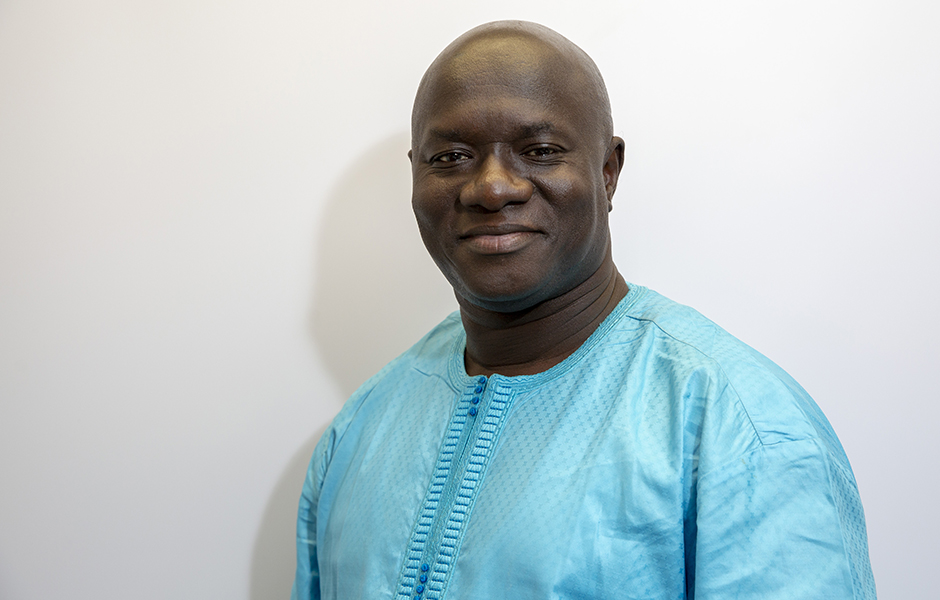

Human rights activist Madi Jobarteh, Executive Director of the Edward Francis Small Centre for Rights and Justice, has welcomed the emergence of the Unite Movement for Change (UMC), while raising concerns over what he describes as limited diversity in the party’s newly elected national executive.
In a statement titled “Welcoming UMC! But, Whither Diversity and Inclusion?”, Jobarteh said the new political movement has added “renewed energy” to The Gambia’s political space, particularly at a time of growing calls for democratic reform and accountability.
However, he said a closer look at the composition of the executive committee shows what he termed a “deeply troubling lack of diversity and inclusion,” pointing to what he described as low female representation and limited visibility of persons with disabilities and minority groups.
Jobarteh argued that political parties must reflect the demographic realities of the country, warning that exclusion within party structures risks being carried into national governance.
He said parties are not only electoral platforms but “governance institutions in waiting,” adding that their internal structures shape future state leadership.
“If parties themselves are exclusionary, then exclusion inevitably becomes embedded within state institutions,” he said.
Jobarteh called for stronger commitment to gender balance, disability inclusion, and broader representation, saying inclusion should be treated as a core democratic principle rather than a symbolic gesture.
He added that UMC had an opportunity to set a new standard in political organisation but instead reflected long-standing patterns in Gambian politics.
“UMC had a unique opportunity to break from the past,” he said, “instead its executive committee largely reproduces the same exclusionary political culture.”