
By Modou Touray
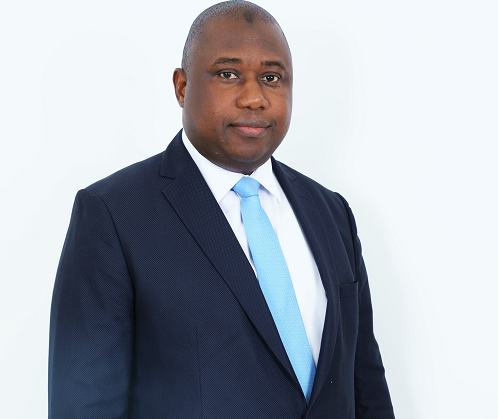
Dawda A Jallow, The Gambia’s Attorney General and Minister of Justice, has called for stronger accountability, institutional reform, and practical implementation of human rights protections across Africa during the opening of the 87th Ordinary Session of the African Commission on Human and Peoples’ Rights in Banjul.
Addressing delegates, diplomats, civil society representatives, and commissioners on Monday, Jallow said Africa is facing growing challenges including conflict, shrinking civic space, attacks on human rights defenders, and the misuse of technology to silence dissent.
“We meet at a time of serious global strain. Wars are destroying communities. Civic space is shrinking. Democracies are under pressure,” he said.
The Attorney General noted that conflicts in Sudan, eastern Democratic Republic of Congo, and the Sahel continue to displace millions and weaken the rule of law, while vulnerable groups including women, children, persons with disabilities, and climate-displaced populations face increasing hardship.
Despite these challenges, Jallow said Africa still possesses strong human rights foundations rooted in its own history and values, pointing to the African Charter on Human and Peoples’ Rights and the principle of Ubuntu as major continental achievements.
He praised the African Commission and the African Court on Human and Peoples’ Rights for helping shape Africa’s human rights architecture, but warned that there remains a major gap between policy commitments and implementation by member states.
Reflecting on The Gambia’s democratic transition since 2017, Jallow said the country has pursued constitutional and institutional reforms, expanded access to justice through mobile courts, strengthened legal aid services, and intensified efforts to combat gender-based violence.
He stressed that human rights engagement must move beyond speeches and commitments to practical action that directly impacts ordinary citizens.
The Justice Minister proposed five key priorities for African states and institutions, including the domestication of regional human rights instruments into national law, improved funding for accountability institutions, stronger links between human rights and peace-building structures, greater focus on climate and digital rights, and increased inclusion of young people and vulnerable communities.
“The real test of this Commission, and of every government in this room, is not the quality of our speeches. It is whether the people who depend on these protections can feel their effect,” he said.
Jallow concluded by reaffirming The Gambia’s commitment to working with regional institutions, member states, and civil society groups to strengthen human rights protections across the continent.
He officially declared the 87th Ordinary Session of the African Commission on Human and Peoples’ Rights open.