

By Fatou Jatta
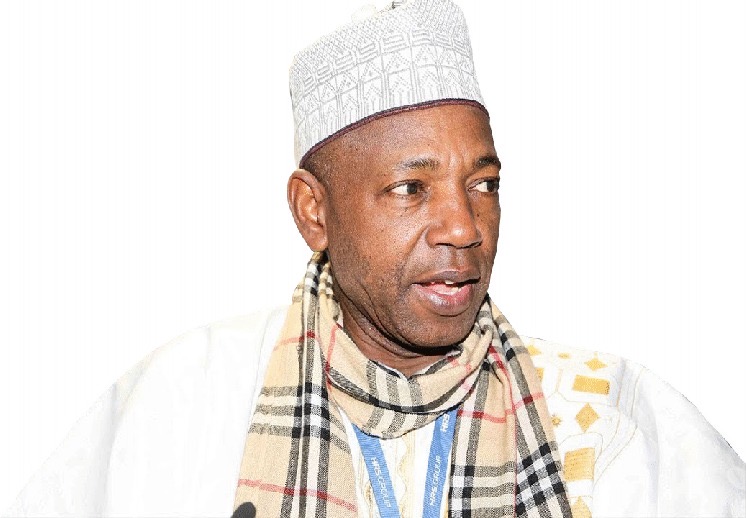
Lamin Ceesay, a distinguished Swiss-based Gambian economist and Tourism expert has lauded Hon Hamat N.K. Bah, Minister of Lands, Regional Government & Religious Affairs, describing him as one of Gambia’s most “consequential cabinet” in the government of President Adama Barrow.
The assessment, which comes at a time of heightened national debate about leadership and performance in public service, underscores Bah’s enduring impact on tourism policy, cultural preservation, and national branding over the last several years before transitioning to the ministry of lands where he has continued the same trajectory.
Renowned economist Ceesay, speaking to The Observer24 recently, noted that Hon. Bah has not only expanded The Gambia’s tourism footprint but has also spearheaded initiatives to anchor the sector as a pillar of the national economy.
“Minister Bah brought a political charisma and a reformist flair to the portfolio. He redefined cultural diplomacy and leveraged tourism as soft power for The Gambia,” Ceesay said.
He argued that under Hamat Bah’s stewardship, the tourism and cultural sector witnessed significant structural shifts.
“From repositioning The Gambia as a year-round tourist destination to pushing for diversification beyond the traditional beach tourism model, Bah’s policies have consistently been geared toward improving foreign exchange earnings and local livelihoods. He championed initiatives such as eco-tourism, rural cultural festivals, and heritage site preservation.”
Ceesay commended Minister Bah’s bold policy stance in attracting international investments in hotel infrastructure while simultaneously safeguarding Gambian cultural identity.
“What makes Hamat Bah ‘consequential’ is not solely his sectoral achievements but his political resilience and ability to communicate government policies in ways that resonate with public concern.”
A former opposition stalwart turned key ally of President Barrow, Bah embodies the shifting political landscapes of the New Gambia.
“He became more than just a minister. He evolved into a storyteller for the nation, weaving economics, politics, and culture into a narrative that gave Gambians confidence,” the economist remarked.
Bah has also been praised for asserting the cultural component of the Tourism Ministry on the international stage. His drive to promote Gambian culture abroad, from music and art exhibitions to cultural exchanges, gave the country renewed international visibility.
Ceesay argued that these efforts contributed indirectly to foreign direct investment and elevated The Gambia’s relevance in African tourism competitiveness rankings.
Ceesay added that Minister Bah has made notable impacts as both Tourism and Lands Minister, and is positioned to be influential in President Barrow’s push for a third term.
“His record is characterized by sector transformations, institutional reforms, and unwavering support for Barrow’s continued presidency.”
“Under Bah’s leadership (2017–2024), annual tourist arrivals rose from about 150,000 to 235,000 by 2019, fueling significant economic development. He steered the sector through COVID-19, resulting in one of the fastest regional recoveries in tourist arrivals after the pandemic.”
He said Minister Bah facilitated major projects including construction of a new Gambia Tourism Board building, expansion of the Gambia Tourism and Hospitality Institute (GTHI), and aggressive international marketing campaigns.
“He prioritised Gambian ownership in tourism marketing, revamping PR operations for locals and improving the sector’s international image. Notable skills initiatives included training 200 rural youths in agri-food processing and establishing a curriculum in agri-food processing at GTHI, creating stronger agriculture-tourism linkages.”
He said the National Centre for Arts and Culture was strengthened and legal frameworks were solidified, UNESCO conventions ratified, and oral archives digitized for heritage preservation.
“His principal regret as Minister was the non-implementation of key eco-lodge and hotel projects, which he later attributed to poor project oversight.”
Achievements as Lands Minister
At the Ministry of Lands, Ceesay noted, “Bah oversaw the digitization of land records and advanced a comprehensive policy addressing real estate fraud, gender equity in ownership, and more secure legal tenure.
“Under his direction, the Ministry completed a national land information infrastructure assessment and is finalizing a modern land management system.
He announced initiatives like a specialized land court and has advocated for affordable housing, planning a target of 10,000 affordable houses by December 2025.Urban planning reforms also include developing regulatory frameworks for car dealerships to reduce urban congestion.”
He noted that Minister Bah has consistently declared his ministry’s commitment to land accessibility, protection, and equitable distribution.
Yet even his critics concede that his role was consequential because his policies left a visible mark on both tourism revenues and The Gambia’s international narrative.
“History will judge Gambian ministers by their ability to transform sectors and leave a legacy of growth. By that standard, Hamat Bah stands out,” the economist concluded, noting that consequential leadership is often about vision combined with action — qualities Bah demonstrated.
Role in President Barrow’s Third Term Bid
The economist also took time to discuss Minister Bah’s potential influence in President Barrow’s third-term bid.
Minister Bah leads the National Reconciliation Party (NRP), a key Barrow coalition ally, and has publicly affirmed that his party will never contest Barrow for the presidency, ensuring their continued alliance.
“Bah’s loyalty and public endorsements play a vital role in lending legitimacy to Barrow’s contested third term pursuit, especially as opposition and civil society pressure mounts. His political stature, grassroots mobilization ability, and administrative track record put him in a unique position to help galvanize support for Barrow within the coalition, among rural constituencies, and in the public sector.”
Given the current contentious climate, Ceesay added that Minister Bah is expected to mobilize institutional resources and networks gained from his ministerial work to reinforce Barrow’s bid, presenting a formidable united government bloc as the 2026 election approaches.
While Bah has his critics who view him as combative in political debate, analysts argue that his strong will, rhetorical skills, and instinct for political combat made him indispensable within cabinet.
During his time at the tourism ministry, some tourism operators credit him for listening and mediating industry disputes, while others suggest his tenure was sometimes overshadowed by political controversies.