

By Modou Jatta
In a bold bid to curb rising maternal mortality and strengthen frontline healthcare, First Lady Fatoumatta Bah-Barrow has announced an ambitious D100 million healthcare initiative aimed at constructing ten maternity wards across the country.
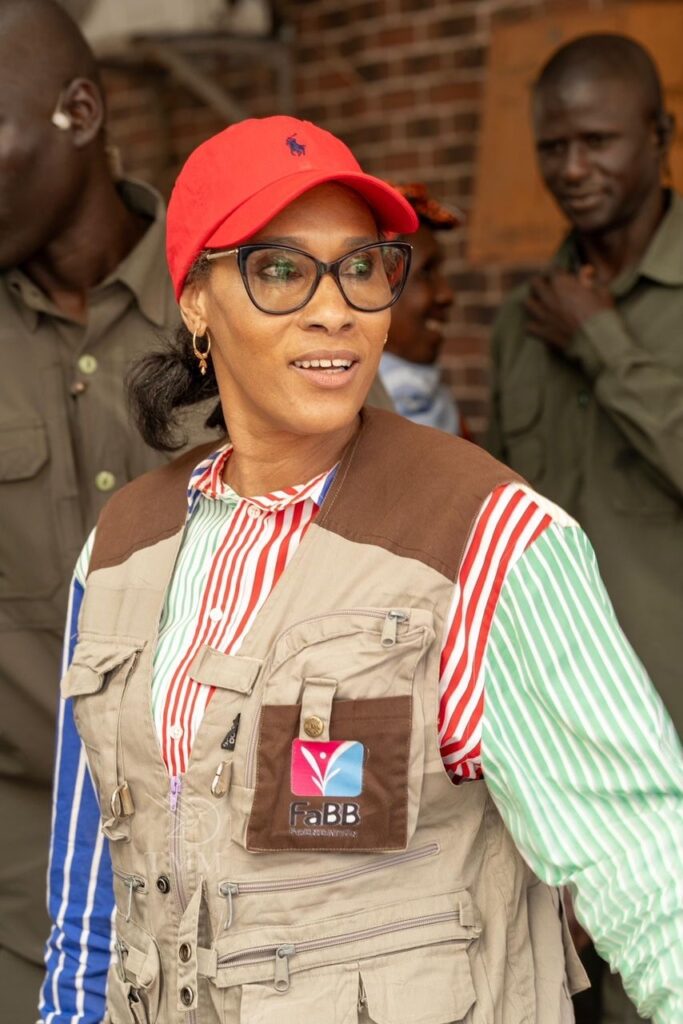
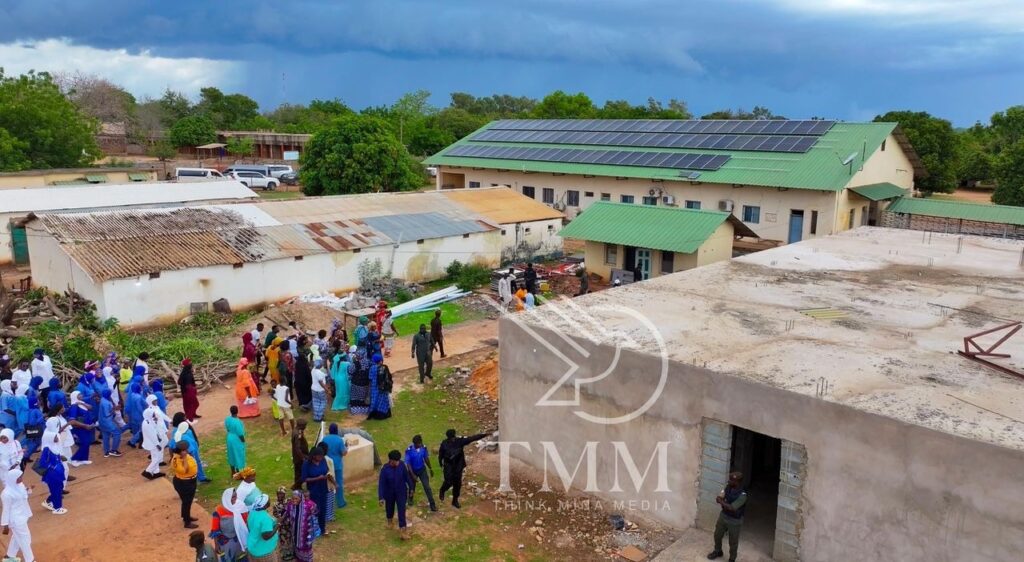
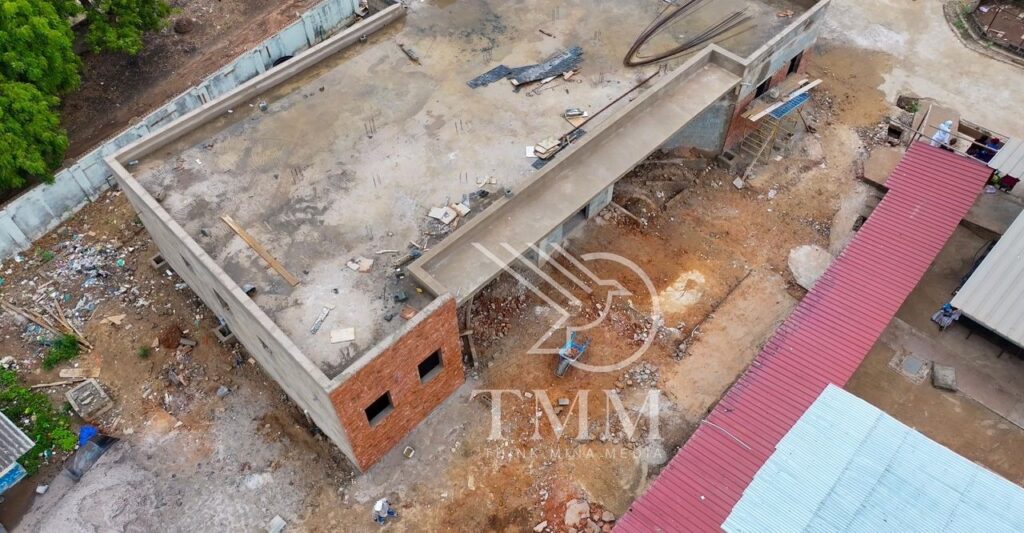
A D30 million pilot project has already been launched targeting hospitals in Farafenni, Essau and Jarra Soma. According to the Fatoumatta Bah-Barrow Foundation, it has notice that most of the maternity wards across the country are not up to standard and lacked space to accommodate mothers leading to two sharing the same bed. In an attempt to complement government’s efforts, in July, Madam Bah-Barrow led a team from her Foundation to the three targeted facilities aimed at having firsthand information on what is needed to ensure the construction of standard maternity wards.
The visit served as a testament to her enduring vision of promoting safe and dignified deliveries for every Gambian mother, equipping maternity wards with modern medical facilities and ensuring no woman is left behind in accessing quality healthcare.
Following her assessment of the maternity wards in these hospitals, Madam Bah-Barrow announced the construction of new ones, a reflection that maternal health is at the centre of her Foundation’s broader wellness agenda.
The state-of-the-art maternity wards are intended to improve access to skilled birth attendance, reduce maternal and neonatal mortality, and support families in rural and underserved communities.
Launching the D30M Maternity Ward Project, the First Lady outlined a plan to deploy patient-centered, high-quality care spaces designed to support safe deliveries, postnatal follow-ups, and essential maternal services.
Each ward is slated to feature private delivery rooms, neonatal care corners, clean water and sanitation upgrades, reliable electricity, and trained obstetric and neonatal staff.
The facilities are expected to integrate with existing health posts to create a network that reaches mothers in both urban centres and underserved rural communities.
“The health of our mothers is the heartbeat of our nation’s future,” Bah-Barrow said.
“These maternity wards will bring modern, compassionate care closer to home, reducing preventable complications and saving lives.”
The plan includes a robust supply chain for essential medicines, improved ambulance access, and community health outreach to encourage prenatal care and safe delivery planning.
Local leaders welcomed the project as a catalyst for improved health outcomes and regional development. In many communities, access to clean delivery facilities has been a long-standing challenge, contributing to higher risk during pregnancy and childbirth.
The First Lady’s program aims to reverse that trend by expanding infrastructure, upgrading equipment, and standardizing care across the targeting communities.
Madam Bah-Barrow has also announced plans to upgrade existing facilities to enhance safety during delivery, better prenatal and postnatal care, and strengthened local health systems.
Expectant mothers like Oumie Njie, who travels several hours for skilled birth attendance, expressed cautious optimism: “If these wards deliver what they promise, we will have safer births and more confident families.”
Officials say the maternity wards are strategically located to serve remote districts, with priority given to areas with limited access to obstetric services. The initiative is positioned within broader health and social welfare efforts championed by the Office of the First Lady, focusing on maternal health, child welfare, and community resilience.
Health experts welcomed the move as a significant step toward addressing gaps in maternal health infrastructure.
The D30M Maternity Ward Initiative marks another milestone in the First Lady’s public-health leadership, signaling a renewed focus on maternal survival and the broader goal of healthier generations.
Through initiatives like this, the FaBB Foundation continues to transform lives, strengthen health systems, and build a healthier future for generations to come.