
By Adama Makasuba
The National Assembly has outlined an ambitious programme for its Second Ordinary Session of the 2026 Legislative Year, with lawmakers set to debate major Bills, scrutinize government spending, and intensify oversight of the Executive.
The session, scheduled from Monday, 8 June to Wednesday, 1 July 2026, is expected to focus heavily on accountability, legislative reform, and budget implementation.
The announcement was made as Parliament reaffirmed its commitment to strengthening transparency and improving public understanding of its work.
Speaking on the significance of the session, the National Assembly said: “The engagement forms part of Parliament’s efforts to strengthen t r ansparency, improve public understanding of parliamentary business, and enhance citizens’ confidence in democratic governance.”
During the session, lawmakers will resume their constitutional duties of lawmaking, representation, oversight and accountability through debates, committee work, and ministerial questioning.
The House will open proceedings with a quarterly Oral Statement on the implementation of the 2026 National Budget, giving lawmakers the opportunity to assess government expenditure and performance.
Parliament stated: “The engagement will provide lawmakers with the opportunity to assess budget performance, review expenditure trends and obtain updates on the use of public funds.”
Several major Bills are expected to dominate the legislative agenda, including the Gambia Immigration Bill 2026, the Cybercrime Bill 2026, the Urban Market Bill 2026, the Prerogative of Mercy Bill 2025, and the Intellectual Property Bill 2026.
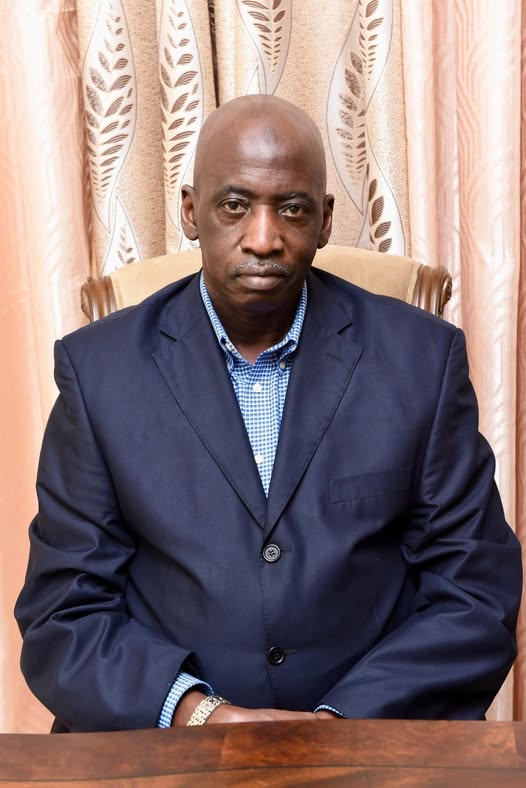
Speaker of the National Assembly, Fabakary Tombong Jatta, confirmed that the Executive will also be called to account during the session, particularly on the controversial assets report linked to the Janneh Commission.
He said: “the Vice President is expected to present the Government’s response to the report of the Special Select Committee on the sale and disposal of assets identified by the Janneh Commission of Inquiry.”
He added that several motions and key parliamentary debates will also be tabled. Parliamentary oversight is expected to take centre stage throughout the session, with increased scrutiny of ministries and agencies.
The National Assembly said: “Ministerial engagements, including Oral Statements and Replies under Order 100 of the Standing Orders, have been scheduled to promote accountability and ensure that recommendations adopted by the Assembly receive formal responses from the Executive.”
Officials argue that these mechanisms are critical for strengthening transparency and ensuring that parliamentary resolutions are implemented effectively.
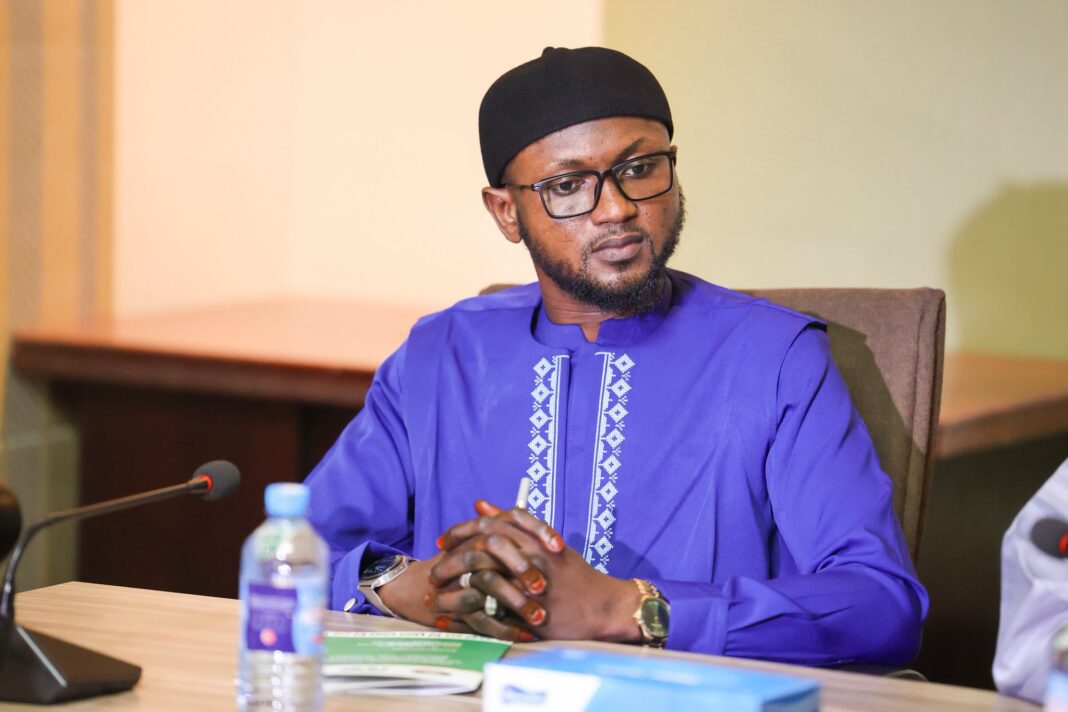
The Clerk of the National Assembly, Kalipha M.M. Mbye, revealed that a new reform proposal will be considered during the session. He stated: “The session will feature a proposal for the establishment of a Standing Committee on Government Assurances.”
He further noted that Parliament has strengthened its internal monitoring systems to track legislative progress more effectively.
According to him, internal tracking systems have been strengthened to monitor the progress of Bills, motions, committee reports and ministerial responses throughout the Session.
He added that the reforms are aimed at improving efficiency and institutional memory within Parliament.
Meanwhile, Majority Leader Hon. Billay G. Tunkara addressed concerns about how Parliament will balance its legislative duties with rising political activity as the country approaches the election season.
He said discussions are ongoing on maintaining parliamentary focus while political dynamics intensify.
The Second Ordinary Session is expected to run for several weeks, with lawmakers preparing for what is likely to be one of the most active legislative periods of the year.
Parliament concluded that the session is intended to strengthen governance and accountability, stating its broader goal as improving national development through effective lawmaking and oversight.